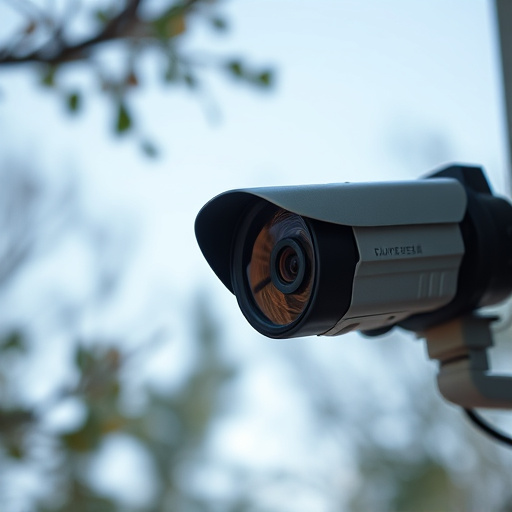
Small hidden cameras in bedrooms pose a significant privacy threat in today's digital age, requiring homeowners to employ professional methods like optical sensor detection sweeps and thermal imaging to counter them. These advanced techniques, coupled with sophisticated algorithms, high-resolution imaging sensors, and polarized light techniques, ensure thorough searches for covert surveillance devices. With serious ethical implications and stringent legal protections against domestic surveillance without consent, professionals must adhere to strict guidelines to maintain individual autonomy and safeguard personal information.
Uncover the subtle threat of small hidden cameras with our comprehensive guide. In an era where privacy is paramount, understanding the capabilities and detection methods of these discreet surveillance devices is crucial. We explore the role of optical sensors in camera identification and delve into professional techniques to ensure thorough scanning. From advanced technologies to ethical considerations, this article equips readers with knowledge on identifying and mitigating the risks of hidden cameras, especially in intimate spaces like bedrooms.
- Understanding Small Hidden Cameras: A Discreet Threat
- The Role of Optical Sensors in Camera Detection
- Professional Methods for Uncovering Hidden Cameras
- Advanced Techniques to Ensure Comprehensive Scanning
- Ethical Considerations and Legal Implications
Understanding Small Hidden Cameras: A Discreet Threat
Small hidden cameras, often referred to as spy cameras, pose a significant threat in today’s digital age. These tiny devices can be easily concealed and placed almost anywhere, making them a discreet yet menacing presence. In private spaces such as bedrooms, where personal moments occur, the discovery of a small hidden camera can breach an individual’s privacy and comfort.
Bedrooms are personal sanctuaries, meant to be free from prying eyes. However, with the proliferation of advanced technology, these once-safe havens are now vulnerable to surveillance. Small hidden cameras for bedroom setups may be used maliciously by intruders seeking to invade privacy or even collect sensitive information. It’s crucial for homeowners and residents to remain vigilant and employ professional methods to detect and counter such devices.
The Role of Optical Sensors in Camera Detection
Optical sensors play a pivotal role in camera detection, especially in advanced technologies like small hidden cameras designed for bedrooms or other private spaces. These sensors are responsible for capturing light and translating it into electronic signals, enabling the camera to process and interpret its surroundings. In the context of hidden cameras, optical sensors must be incredibly sensitive and compact to maintain discreteness while delivering clear and detailed images.
High-quality optical sensors allow these small hidden cameras to operate effectively in low-light conditions, ensuring discreet surveillance even during nighttime. Their ability to capture high-resolution footage contributes significantly to the overall performance and purpose of these devices, making them indispensable for maintaining privacy and security in various settings, including bedrooms where peace of mind is paramount.
Professional Methods for Uncovering Hidden Cameras
Uncovering hidden cameras, especially those as tiny as small hidden cameras for bedroom spaces, requires advanced techniques and professional methods. Security experts employ a range of sophisticated tools to detect these covert devices. One common approach is the use of optical sensor detection sweeps, which involve specialized equipment to analyze light patterns and reflections. This method can identify unusual light sources or irregular reflections that might indicate the presence of hidden cameras.
Professional investigators also utilize thermal imaging technology, which detects heat signatures different from the surrounding environment. This technique is particularly effective for identifying small hidden cameras, as they often generate distinct heat patterns due to their electronic components. By combining these professional methods, experts can thoroughly search and uncover even the most discreetly placed surveillance devices in bedrooms or any other space.
Advanced Techniques to Ensure Comprehensive Scanning
In the quest for thorough and reliable optical sensor detection, professionals employ advanced techniques to ensure comprehensive scanning. One such method involves integrating sophisticated algorithms that can detect even the subtlest variations in light patterns, making it easier to identify small hidden cameras for bedroom settings. These algorithms are trained on vast datasets, enabling them to recognize unusual activities or objects with remarkable accuracy.
Additionally, professionals utilize high-resolution imaging sensors and polarized light techniques to enhance scanning capabilities. High-resolution sensors provide detailed images, allowing for minute object detection. Polarized light, on the other hand, helps in identifying reflective surfaces and subtle changes in lighting conditions, making it ideal for uncovering hidden cameras tucked away in bedrooms or other spaces.
Ethical Considerations and Legal Implications
The use of optical sensor detection, particularly with small hidden cameras in intimate settings like bedrooms, raises significant ethical considerations. Privacy is a paramount concern; placing such devices without consent can lead to severe breaches of personal privacy and potential legal repercussions. Many countries have stringent laws regarding surveillance, especially in domestic spaces, designed to protect citizens from unwarranted intrusion into their private lives.
Professional methods employing these sensors must adhere to strict ethical guidelines and legal frameworks. This includes obtaining explicit permission, ensuring transparency, and following data protection regulations. Respecting individual autonomy and maintaining the integrity of personal information are non-negotiable when dealing with small hidden cameras for bedroom use, or any similar applications, to uphold both professional standards and legal obligations.
In conclusion, the detection of small hidden cameras in bedrooms or any space presents a complex challenge, but with the right optical sensor technology and professional methods, it becomes manageable. Understanding the discreet nature of these devices is crucial, as is employing advanced scanning techniques to uncover them. Ethical considerations and legal implications must be navigated carefully to ensure privacy is upheld while mitigating potential threats from hidden cameras. By combining expertise in optical sensors with thorough inspection protocols, professionals can create a safer environment, safeguarding against this modern form of surveillance.